

The Art of Garnishing

How a Simple Touch Can Transform Your Cooking
Never underestimate the power of a simple garnish to elevate your food presentation.
When training as a chef, there’s one principle you’re taught from day one - and it’s not about ingredients or cooking times. It’s something so fundamental that if you forget it, you might as well hang up your chef’s hat.
So, what is this culinary secret? Garnishing!
Article Contents
- What is Garnishing?
- Common Garnishes
- Why Garnish?
- How to Garnish Like A Pro
- Useful Tools For Garnishing
- Classic Garnishes to Try
- Final Thoughts
What is Garnishing?
Garnishing is the final touch that brings a dish to life. Whether you’re plating a restaurant-quality meal, trying to impress your family at dinner, or simply cooking for your own enjoyment, garnishing is the finishing touch that can elevate your food from ordinary to extraordinary. It not only enhances how your dish looks, but it’s also been proven to influence how it’s perceived in taste.
Garnishing comes from the French word garni, which means 'to decorate' or 'to furnish'. In the culinary world, it refers to any embellishment added to a dish for visual appeal, flavour, or texture. It could be as simple as a sprinkle of fresh herbs or as adventurous as an edible foam. The only limitation is your imagination.
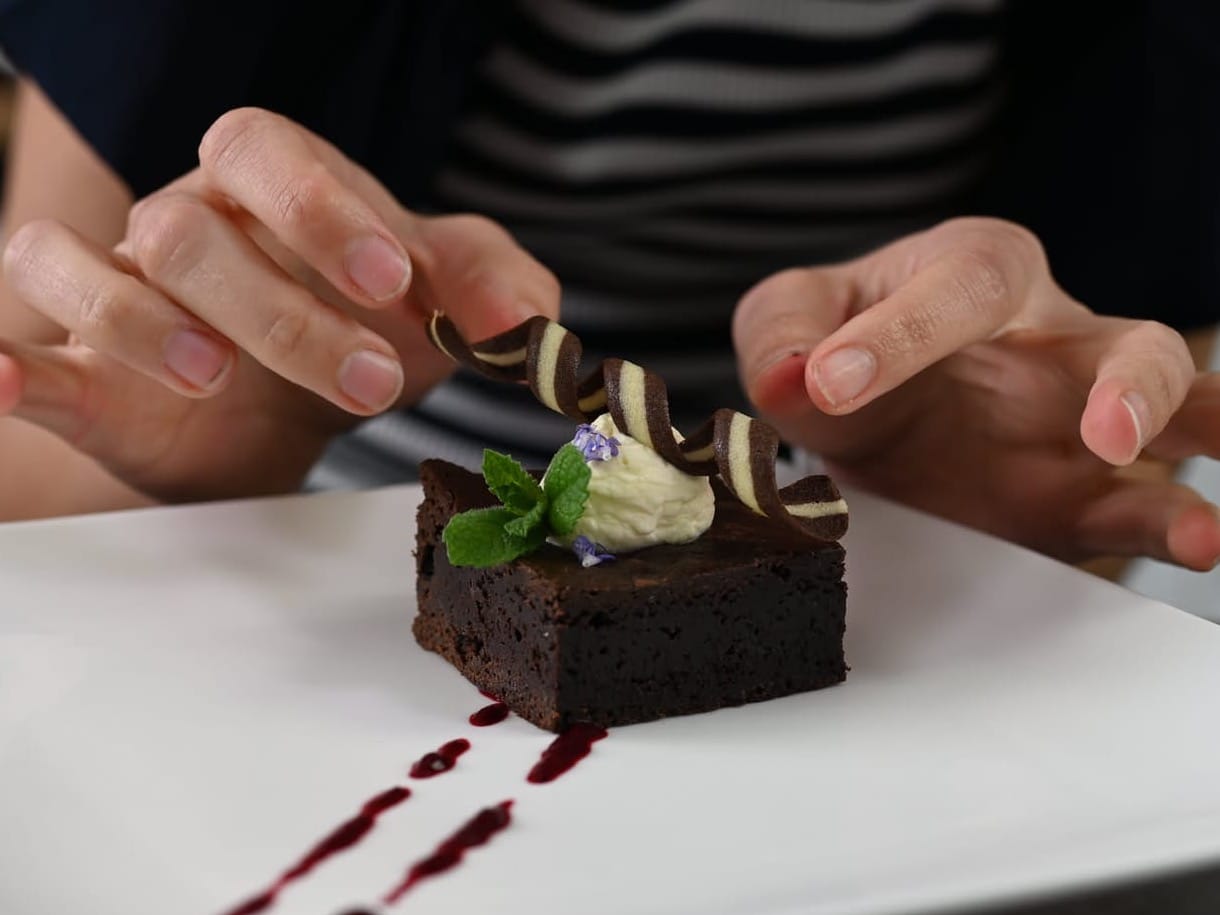
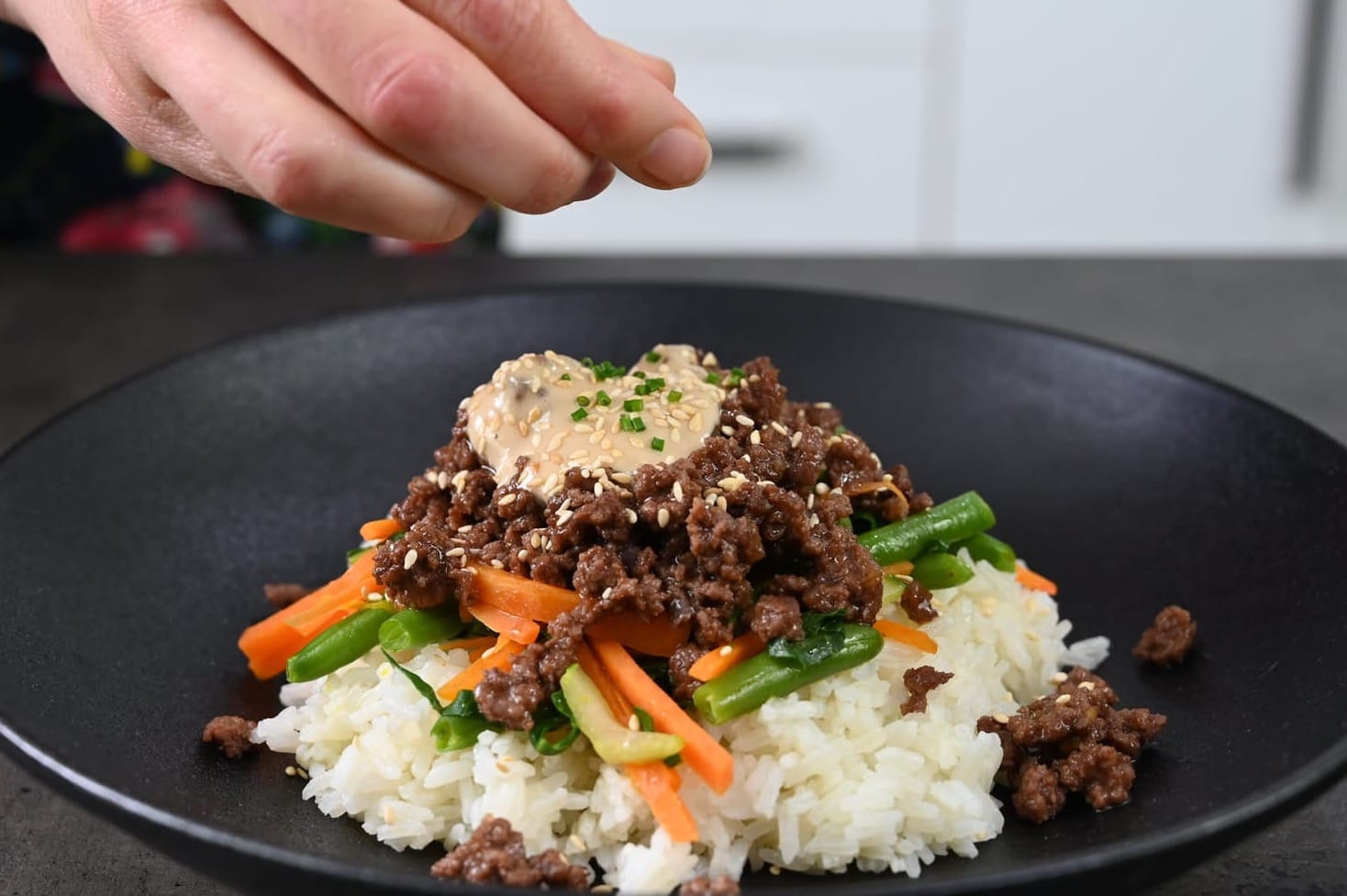
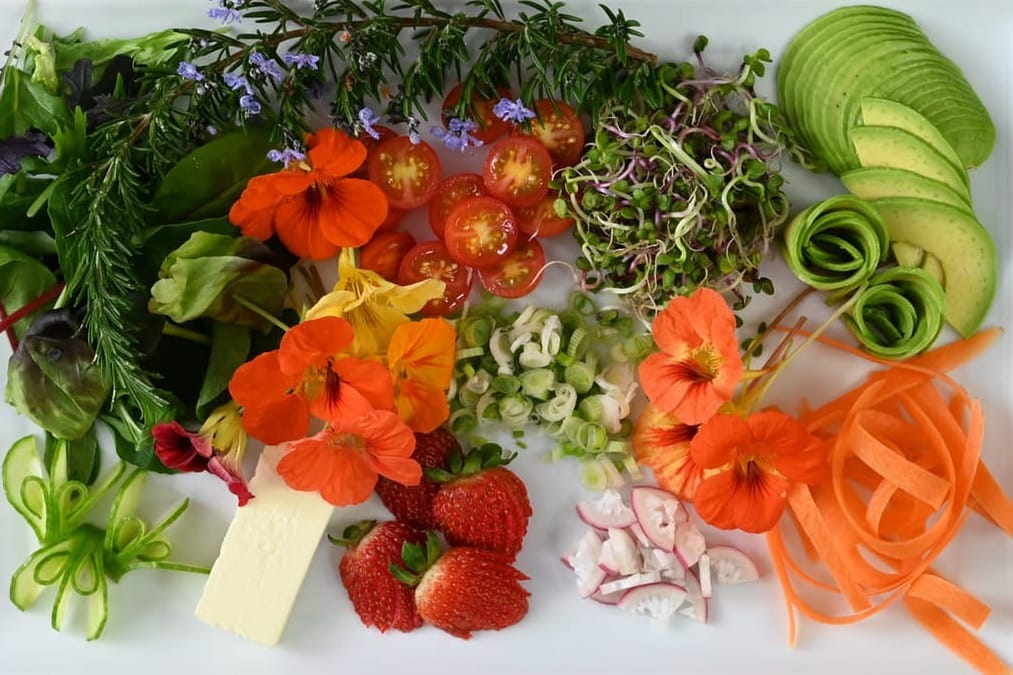
Common garnishes.
Common Garnishes
- Fresh herbs like parsley, coriander, basil, thyme or mint
- Microgreens, leafy sprouts, mixed salad greens
- Seeds, nuts, and citrus zest
- Sauces, purées, and reductions
- Edible flowers like nasturtiums, pansies, or marigolds, or even the flowers on herb plants
- Drizzles or dustings - balsamic glaze, sesame seeds, cocoa powder, olive oil etc
- Fruit, berries, lemon wedge
- Tuiles, sable
Why Garnish?
Let’s be honest - not every meal we make at home is a fine-dining experience, but when you do want to make something feel a bit more special, a garnish is an easy way to add that "wow" factor.
As the saying goes, we eat with our eyes first. A plain plate of food might taste amazing, but it won’t always look amazing. Adding a touch of colour or a contrasting texture gives the eyes something to feast on before you take the first bite.
Take, for example, a simple poached fish with beurre blanc sauce. It's delicious, but visually it's a little flat. If you add a bright sprig of parsley and a lemon wedge, suddenly the plate looks fresher, more vibrant, and more appetising.
Garnishes can also enhance flavour. Think of lemon with seafood, or a mint sprig with dessert. These little additions don’t just look good - they’re working behind the scenes to lift the flavour of the whole dish too.
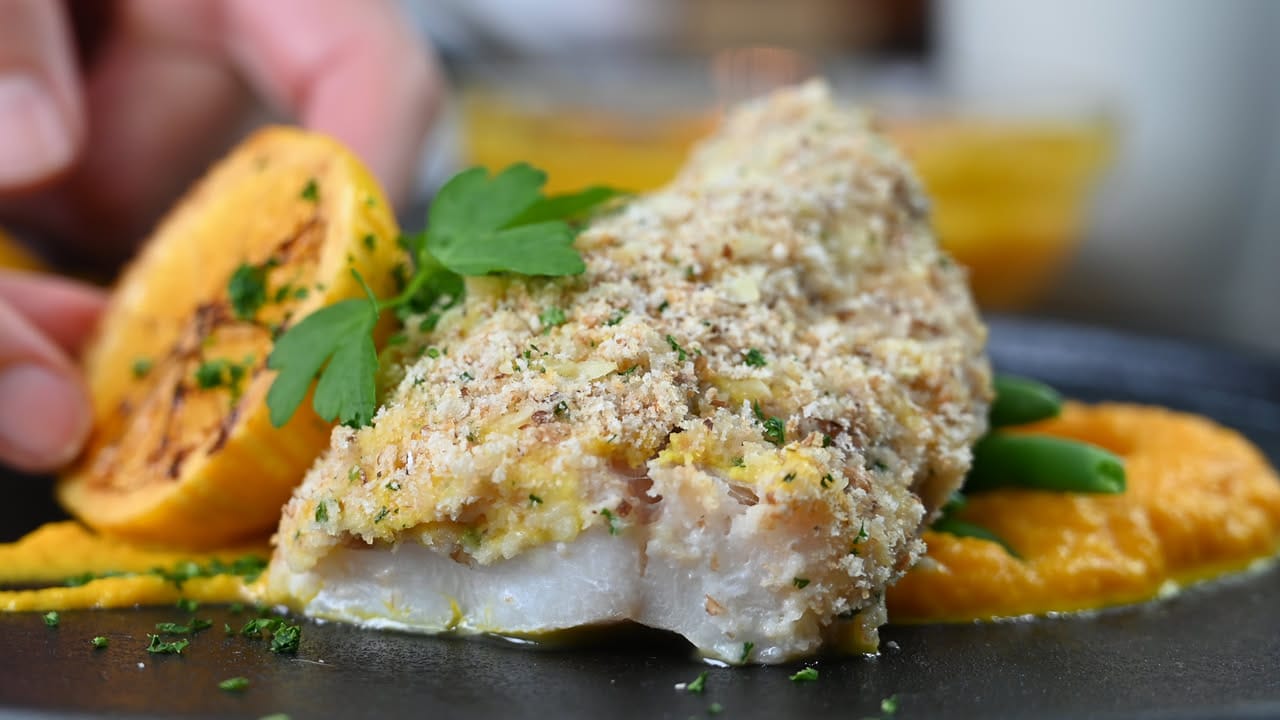
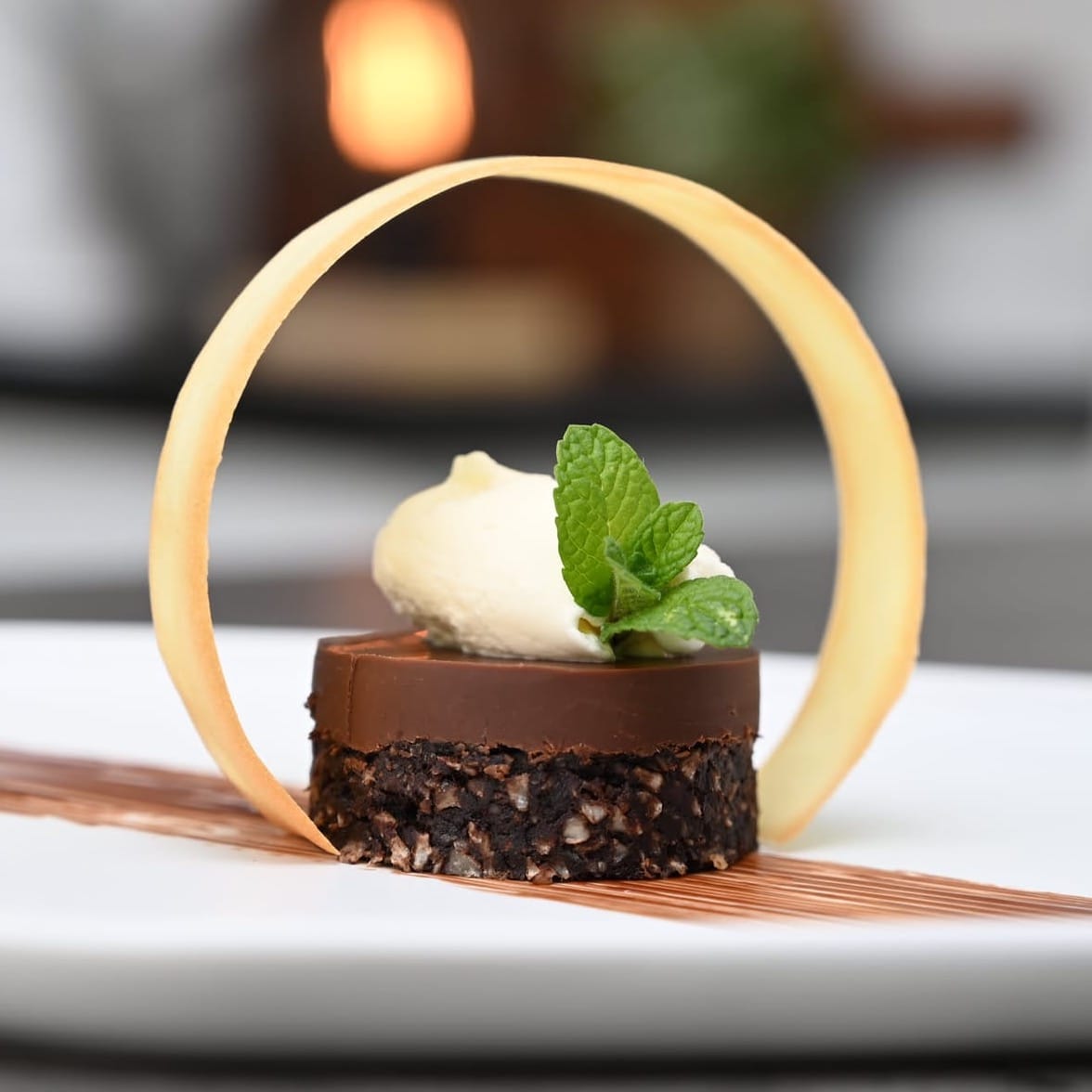
Garnishing to enhance the presentation. Imagine these without the green!
How to Garnish Like a Pro
If you’re going to the effort of preparing a meal, why not go a step further and make it beautiful? A simple garnish can elevate a dish instantly. Here are a few foolproof options:
- Use ingredients that already appear in the dish - this keeps flavours consistent and logical.
- Play with colour and contrast - if the colours on your plate are a bit dull, add something bright and colourful.
- Consider texture - crispy fried shallots, crunchy seeds, or a silky purée can all elevate the dish.
- Less is more - keep it simple. A restrained hand is often more effective than overloading the plate.
Useful Tools for Garnishing
- Zesters, microplanes and peelers
- Piping bags and squeeze bottles
- Melon ballers and small knives
- Scissors and tweezers
- Toothpicks and skewers
- And of course… your imagination!
Classic Garnishes to Try
- Tomato rose - A retro but elegant touch, perfect for buffets.
- Spring onion curls - Soak thin strips in iced water and watch them transform into beautiful curls.
- Pea purée dots - Add vibrant green colour and a subtle flavour lift.
- Edible flowers - A simple way to add instant elegance and seasonal flair.

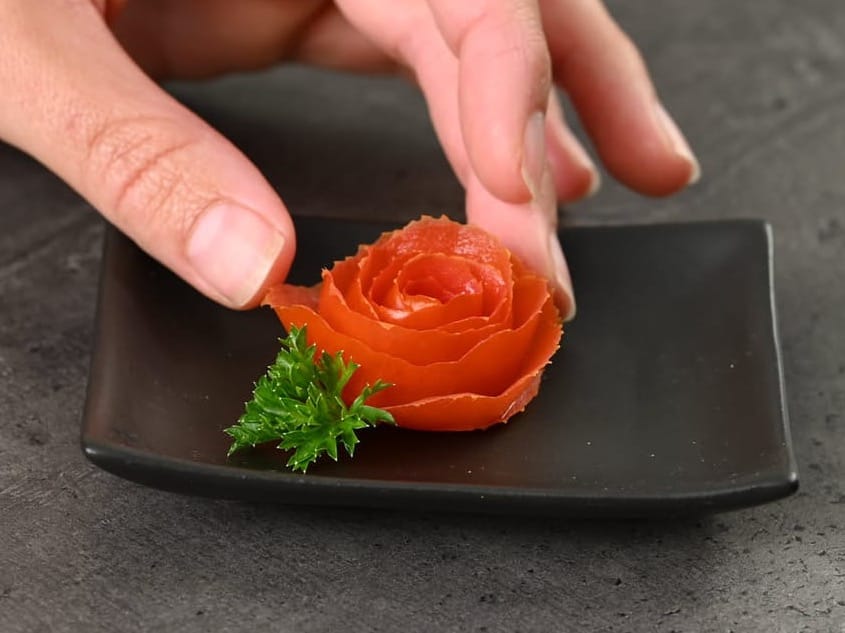
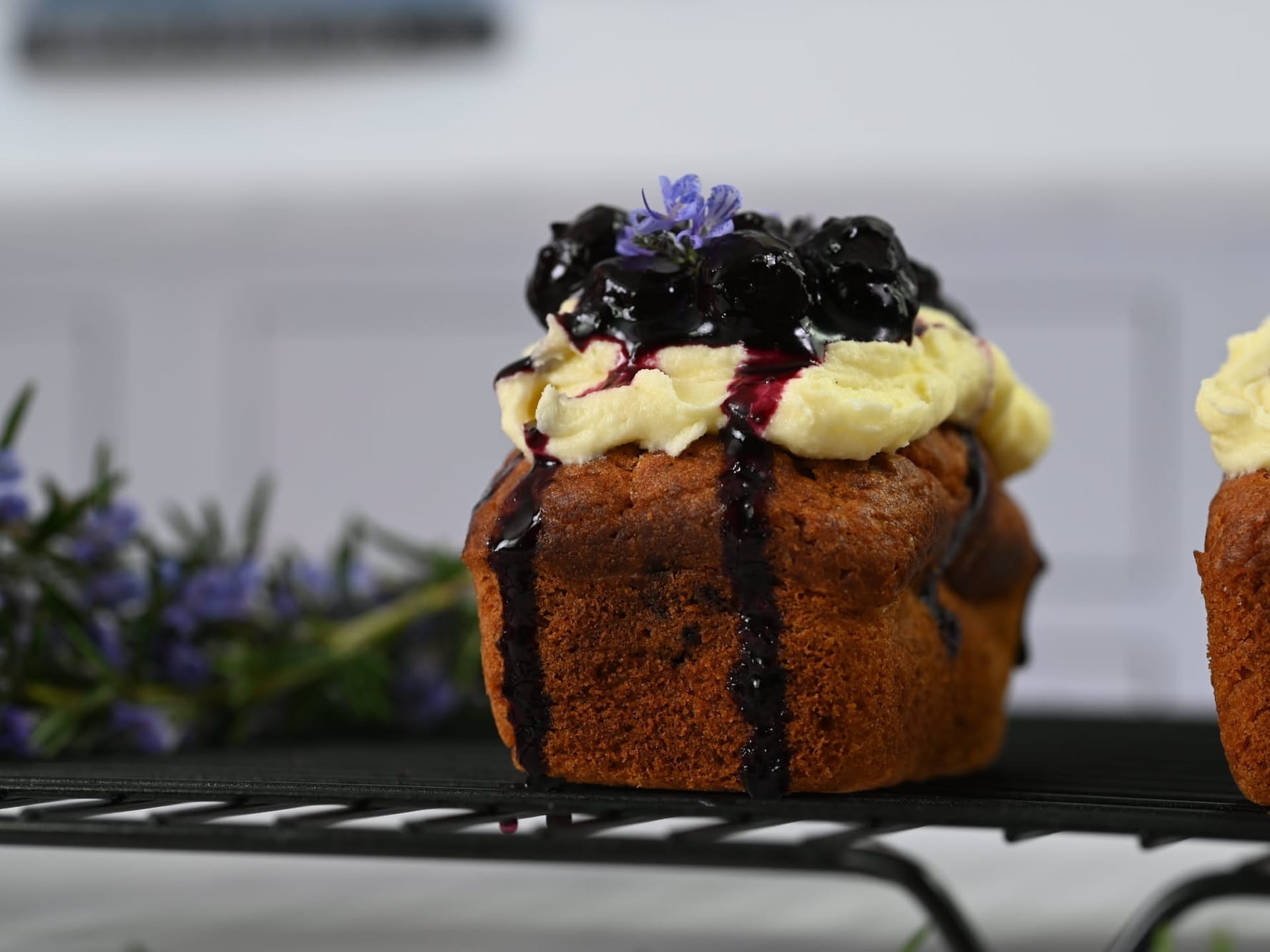
Classic garnishes.
Final Thoughts
Garnishing isn’t just about impressing others - it’s about taking pride in what you create. Whether it’s a home-cooked family dinner or a special occasion meal, a thoughtful garnish can turn even a simple dish into something memorable.
So next time you’re plating up, take a moment to ask yourself: How can I make this just a little more beautiful?